






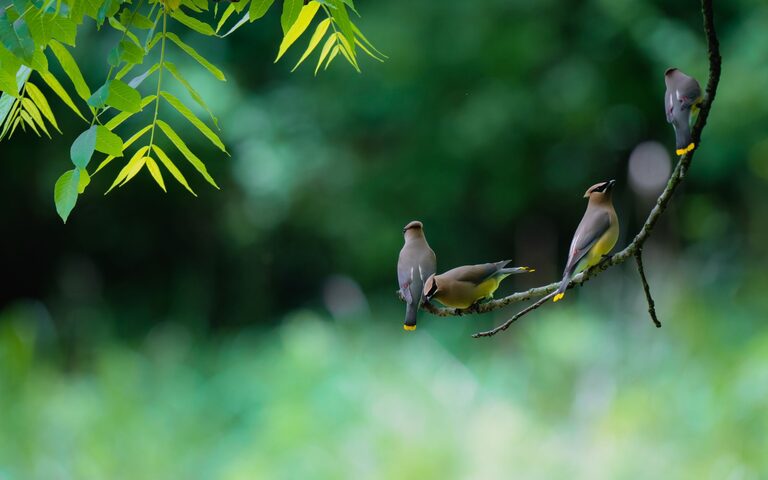
Birdwatching is a relaxing and rewarding hobby that brings you closer to nature without leaving your home. For beginners, starting in your own backyard is the perfect way to learn about local birds, observe their behavior, and enjoy peaceful moments outdoors. This guide offers simple tips to help you begin your backyard birdwatching journey with confidence.
Why Backyard Birdwatching?
Birdwatching in your backyard provides a convenient and enjoyable way to connect with nature. It requires minimal equipment and no special skills at first. Plus, it can help support local wildlife by providing food and shelter for birds.
Getting Started: What You Need
1. Choose the Right Spot
Find a quiet area in your yard that birds can easily access but is safe from predators and heavy foot traffic. Near a window or porch can be ideal for comfortable viewing.
2. Set Up Bird Feeders
Feeders attract birds and increase the variety you’ll see. Here are common feeder types:
– Tube Feeders: Great for small songbirds that eat seeds like finches and chickadees.
– Platform Feeders: Open trays that attract larger birds and ground feeders.
– Suet Feeders: Hold suet cakes that provide energy-rich food, especially in colder months.
– Hummingbird Feeders: Designed for nectar feeders like hummingbirds.
Remember to keep feeders clean and replenish food regularly to prevent mold and disease.
3. Provide Water
Birds need fresh water for drinking and bathing. A birdbath or shallow dish placed near feeders encourages visits. Change the water frequently and keep baths clean.
4. Add Native Plants
Planting trees, shrubs, and flowers native to your region gives birds natural food sources and shelter. Berry-producing bushes and seed-bearing flowers are especially attractive to birds.
Tools to Enhance Your Experience
1. Binoculars
A good pair of binoculars helps you observe birds up close without disturbing them. Look for lightweight models with a magnification of 8x or 10x.
2. Field Guide or Bird Identification App
A bird guidebook or smartphone app allows you to identify species by their colors, shapes, and calls. Many apps offer photos, sounds, and tips.
3. Notebook or Journal
Keeping notes about the birds you see, the date, and their behaviors can be fun and educational over time.
Tips for Successful Birdwatching
1. Be Patient and Quiet
Birds are easily frightened. Approach your birdwatching spot slowly and speak softly or not at all to avoid scaring them away.
2. Observe Regularly
Bird activity varies with the time of day and seasons. Early mornings often provide the best viewing opportunities when birds are most active.
3. Learn Bird Calls
Listening to bird songs and calls can help you identify species even when they are hidden among branches.
4. Avoid Using Pesticides
Chemicals can harm birds directly or reduce their food sources like insects. Opt for natural gardening methods to maintain a bird-friendly environment.
Common Backyard Birds to Look For
Here are some birds frequently seen in many backyards across the United States:
– Northern Cardinal
– American Robin
– Blue Jay
– Mourning Dove
– Black-capped Chickadee
– House Finch
– Downy Woodpecker
– American Goldfinch
Each species has distinct colors, shapes, and behaviors that make birdwatching exciting.
Seasonal Birdwatching
Bird species and numbers change with the seasons. Spring and fall migrations bring a variety of birds passing through your area. In winter, feeders become vital food sources for many species.
Creating a Bird-Friendly Backyard
Beyond feeders and water, consider installing birdhouses for nesting. Properly placed birdhouses can provide shelter and encourage breeding.
Leave some leaf litter and dead wood if possible, as these provide insects and natural materials birds use.
Troubleshooting Common Issues
– Squirrel Interference: Use squirrel baffles or feeders designed to deter squirrels.
– Window Strikes: Place decals or screens on windows to reduce bird collisions.
– Feeder Hygiene: Clean feeders every two weeks with a mild bleach solution and rinse thoroughly.
Final Thoughts
Backyard birdwatching is a hobby that grows with you. As your knowledge expands, so will your enjoyment. Take time to observe, learn, and appreciate the vibrant bird life visiting your outdoor space. With patience and simple preparations, your backyard can become a lively bird haven.
Happy birdwatching!